
“So now…think; take stock; what do you really want”
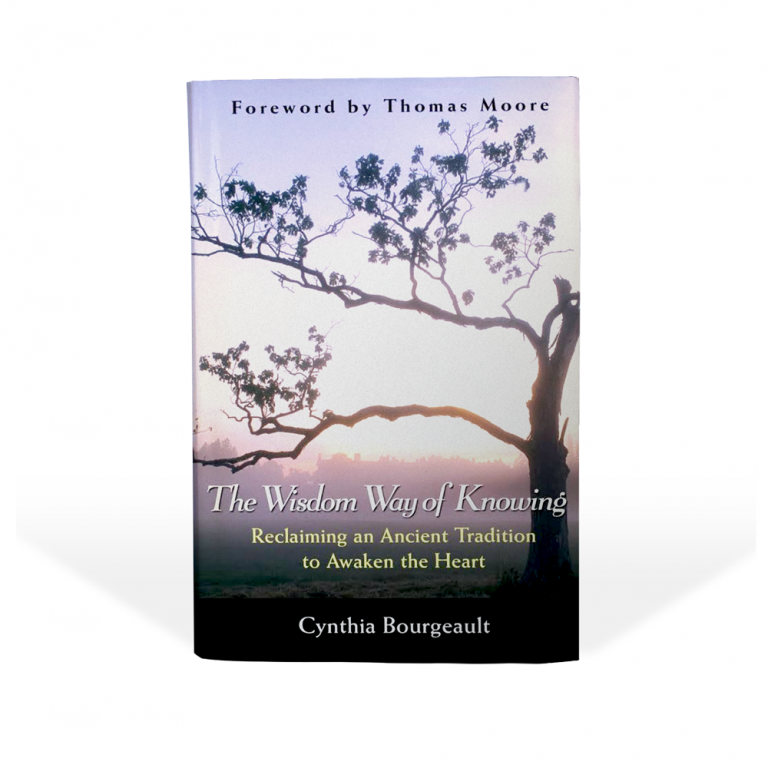
As I opened the tattered used pages of this timeless book, The Wisdom Way of Knowing – Reclaiming an Ancient tradition to Awaken the Heart a warmth welled up within, as I anticipated us gathering from various pockets of the world, in praxis, study  and contemplation. This book is like a tree trunk I can lean on, knowing its tap root takes me to springs of living waters, beneath the chaotic surface waves of our current times, albeit tidal waves!
Cynthia quotes the Old Testament prophet Haggai : So now…think; take stock; what do you really want”. You eat but still hunger, you drink but still thirst……….”. It really is sobering hearing this question from across ancient times.
I recently watched the latter series of the Chosen. In the scene at the Wedding at Cana when Mary asks Jesus to help the family who have run out of wine. Jesus says ‘it’s not my time yet’. Mary answers him “if not now. When?” Her Mother’s eyes pierce her sons, and he begins his mission.
Let us start here. “What do you really want?” “If not now. When?”
Let’s begin now, friends.
A Clear Vision of Human Purpose
When I first read this book and learnt the first experimental Wisdom school was held in the same month as the Twin Tower bombings in 2001, something in me became more intentional in my reading, my listening. The synchronicity was too obvious. What is this wisdom? Cynthia outlines this clearly and invitationally in the introduction and Chapter one. There is a vision and a ‘technology’ of wisdom development practices that can be implemented. Cynthia lays it bear:
“I want to introduce you to the Wisdom tradition itself, not cloaked in metaphors and theologies but as its own clear vision of human purpose and the practical technologies for getting there… to show you how to use the teachings of Wisdom to transform your life.” (p xix)
Headwaters of All the Great Sacred Paths
This vision of wisdom needs to draw from springs that bypass our human tendency to divide and conquer. This Wisdom is universal. Cynthia states:
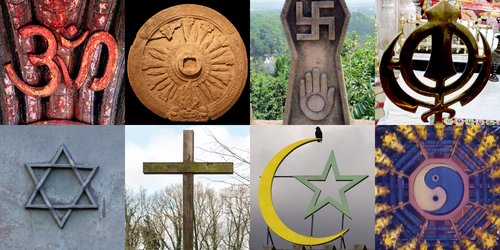 “Notice that I capitalize Wisdom for I am referencing not simply to a generic or subjective quality of being but to a far more precise lineage of spiritual knowledge. Wisdom is an ancient tradition, not limited to one particular religious expression but at the headwaters of all the great sacred paths” ( p 4).
Cynthia invites people of all faiths, spiritual paths or simply the inquisitive to read this book. I personally know 30-year-olds who do not belong to a particular faith tradition, nor have a practice, and found this book accessible, enlightening and reassuring.
A couple of years ago I listened to a podcast with highly respected brain, consciousness and social researchers Daniel Shcmuchtenberger, Ian McGilchrist and John Vervaeke as they discuss the psychological drivers of what they term the Meta-crisis and what we may refer to in layman’s terms, as the crumbling of structures and the world as we know it. Through their diverse knowledge and research in philosophy, neuroscience (including right and left hemisphere modes of attending), psychiatry, economics, history, religion and other disciplines, they all converged into placing hope in Wisdom and falling in love with the sacred. They pondered this question.
Let’s say the Vatican calls you up and says, “We agree, we would like to have a uniquely Catholic version of this, and maybe we’re stoked if there’s a uniquely Muslim and uniquely Hindu kind of enlightenment of similar types. But we would like a kind of Catholic version. How would you change the way we approach our practices, philosophy, etcetera?” Or let’s say that the minister of the Department of Education reached out and said, “We want to implement, K through 12, a wisdom-development process. I’m very interested to hear your thoughts on how the institutions could start to actually implement wisdom-development practices?” The podcast ends with an answer but offers no road map for such a direction.
Rhythm Receptivity Resonance
Cynthia offers deep insights in how one enters into this Wisdom consciousness.
“A Wisdom School is as much about creating and tending the receptivity of the container as it is about the delivery of the teaching. Here, then, the Wisdom experience becomes more than the sum of its parts.”
As we will learn further into the book, and practice together in the book circles, this tending of the container is not only the rhythm of prayer and work, or the teachings themselves, but a receptivity and resonance into a higher or finer meaning and knowing. “Wisdom is not knowing more but knowing with more of you”. This is a repeated quote of Cynthia’s and how true it is. This attuning into deeper aspects of ourselves becomes the practice so one can receive these deeper streams of knowing and being. This begins to be a light in the dark of navigating the unknown territories of our current times.
Cynthia is aware the way of Wisdom and Love is costly. It requires the willingness to divest one’s whole being, to truly surrender all positionalities and be vulnerable. She assures us the ‘divine Lover is absolutely real’. In saying yes to this call the Divine Lover dances with us, giving us exactly what we need for our own salvation. We swim deeper than the waves of ordinary awareness or the flash of mystical experience into a faith stream and thus as
 Cynthia writes : “Beneath the shattered surface of the world, it became briefly possible to see – not just deduce, but actually see – how tenderly all things are being held in love.” (p 10).
We begin again, a book circle in a community of Wisdom seekers wanting to live and ride the road map of Wisdom consciousness. May we support each other in the rhythm of this ancient well-trodden path. We are in good company.
Art Credits:
Kristin Replogle
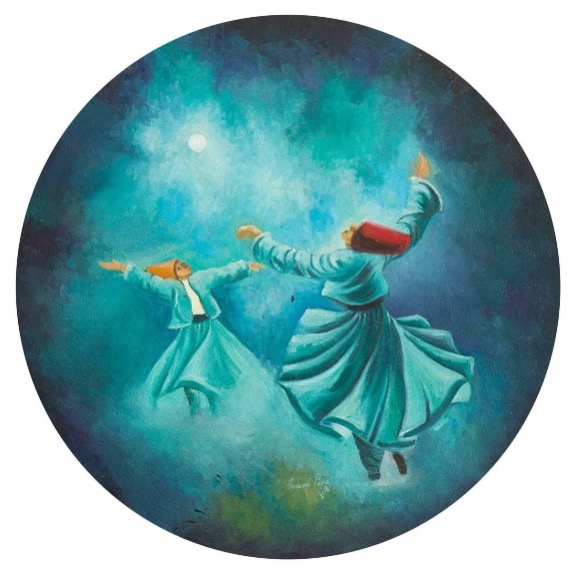
Two Sufis Dancing- Jawad Paya
Christi Testamenta: Jacob Boehem
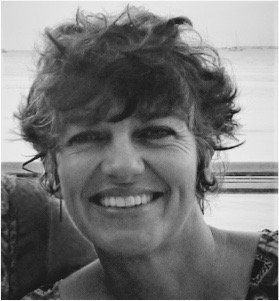 Beth O’Neil lives in Fremantle (Walyalup) Western Australia, where the river meets the ocean. She acknowledges and gives thanks to the original custodians, the Whadjuk people of the Noongar nation. Beth brings her experience of living Wisdom to facilitate Wisdom Waypoints book circles, living wisdom groups, chanting, holding the post for online meditation circles, writing the odd blog, and co-leading Solstice events.
Beth together with her husband Ken conducts monthly Heart Song service: Chanting and contemplating the sacred at St Pauls in Beaconsfield and help facilitate a weekly Contemplative Centering prayer local group.
Beth is a midwife. She no longer is on call for birthing women, but lives out the midwifery archetype wherever she is guided to do so. Together with her husband and family, they work at living simply, humbly, justly and in reverence for all that is.
If you would like to purchase your own copy of the book, here’s the link.
 And if you’d like to learn more about Wisdom Practice Book Circles, you’ll find more information here. The Wisdom Way of Knowing circles are closed for now, but we will be starting another book later in the year. Stay tuned!
I would like to contact Bev. I live in Denmark Western Australia and wish to find out more about what courses she runs in Western Australia. Thanks so much. Jan Hill